
Practice Areas
What We Know Best
Corporate & Commercial Law
We offer a variety services including commercial negotiations, contract drafting, reviews, designing and implementing corporate governance systems and corporate secretarial services.
Civil Litigation
We will handle all your civil litigation requirements for corporate and natural persons
Labour Law
Our services include industrial relations training for management, workers committees and trade unions, officials, drafting codes of conduct, all types of employment contracts, facilitating collective bargaining negotiations, arbitration, retrenchment package negotiations and processing.
Family & Private Law, Estates Planning & Administration
We prepare ante-nuptial contracts, handle divorce proceedings and negotiations, child custody including obtaining professional social worker evaluation and opinions, advise on estate planning, drafting wills and trusts and administer estates.
Conveyancing, Notarial Practice & Property Matters
We structure and draft agreements relating to property acquisition, disposals usage and process transfers, register all types of Notarial Deeds, facilitate land use changes and sub division and permits.
Tax Law
We advise on tax efficiency transaction structuring in liason, if necessary with the other tax expert, handle tax objections and appeals on behalf of business and individuals.
Immigration
Citizenship, permanent and temporary residence and with permit applications are some of the activities we handle for our clients.
Lobbying & Negotiations
We handle strategic and specific negotiations with instructions and other third parties so that client's objectives are met and advanced. This will range for discretionary approvals required, changes in policy and law, as many be necessary. As necessary, we will co-opt or engage other resources with client's consent.
Meet Our Team
Partners
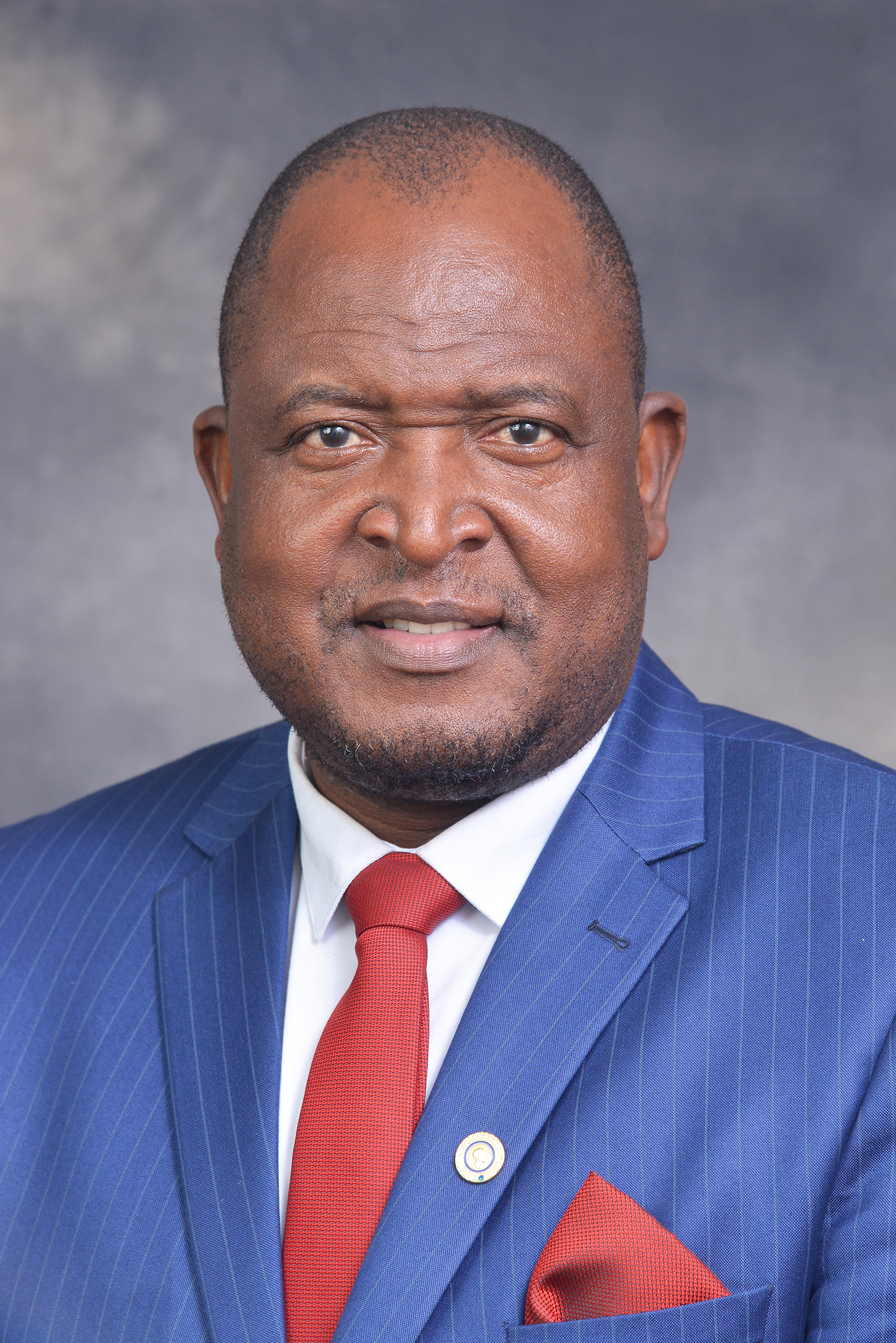
Dominic Musengi
Senior Partner
Mr Musengi holds a Master of Laws degree (LLM) Unisa, a Bachelor of Laws Honours Degree(LLB) UZ, a diploma in Personnel Management (IPMZ) and post graduate certificate in Management (with condemnation) (NTU-UK).
He is a registered Legal Practitioner, Notary Public, Conveyancer and member of the Law Society of Zimbabwe.

Dereck Sigauke
Managing Partner
Mr Sigauke holds a Bachelor of Laws Degree (LLB) from the University of Zimbabwe. He is a registered Legal Practitioner, Notary Public, Conveyancer and member of the Law Society of Zimbabwe.
Mr Sigauke’s areas of specialization include Civil Litigation, Commercial Law, Corporate Law, Mining Law, Pensions Law and Property Law


Associates

Munyaradzi Alvin Kalira
Associate
Mr Kalira holds a Bachelor of Laws Degree (LLBS) from the University of Zimbabwe. He is a registered Legal Practitioner, Notary Public, Conveyancer and member of the Law Society of Zimbabwe.
Mr Kalira’s areas of specialization include Civil Litigation, Commercial Law and Criminal Law

Ranga Makwata
Associate
Mr Makwata holds a Bachelor of Laws Degree (LLB) from the University of Zimbabwe, BCom (Finance) Hons (NUST), MBA (NUST) He is a registered Legal Practitioner, Notary Public, Conveyancer with a strong focus on corporate and financial law
Mr Makwata’s areas of specialization are particularly where legal frameworks intersect with capital markets, investments transactions and regulatory compliance
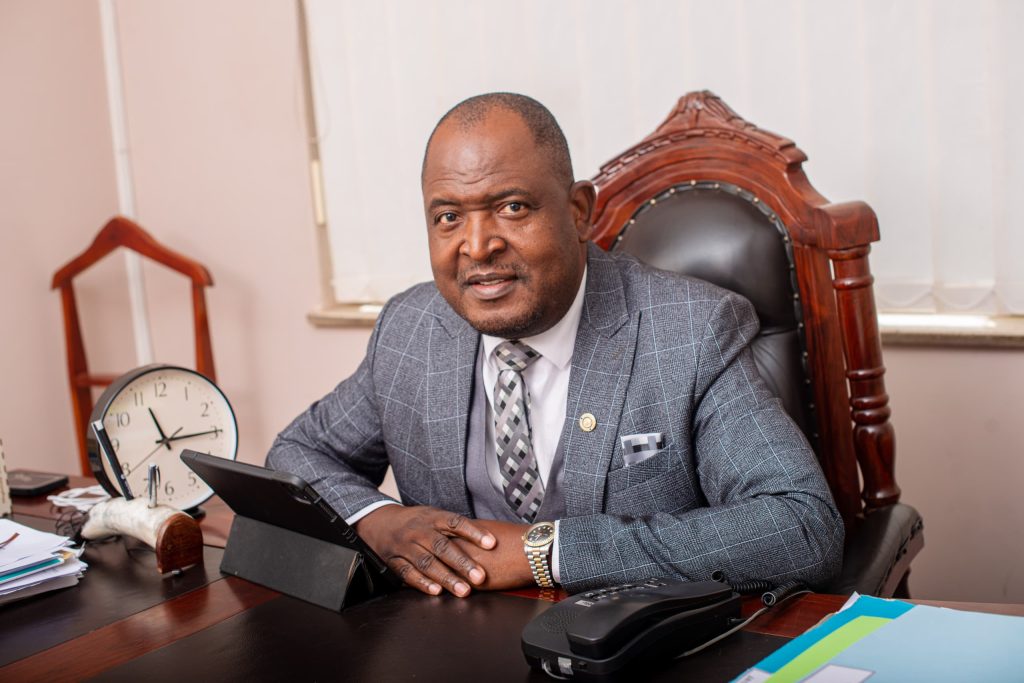
The whole team





Frequently Asked Questions
The law in brief
Steps to draft a will in Zimbabwe
Step 1: Understand the Legal Framework
Zimbabwean wills are primarily governed by:
Wills Act [Chapter 6:06]
Administration of Estates Act [Chapter 6:01]
A will must comply with formalities in these Acts to be valid.
Step 2: Make a List of Your Assets and Liabilities
Before writing the will:
List all assets: property, bank accounts, vehicles, shares, personal items.
List all liabilities: debts, loans, funeral policies.
Also consider:
Jointly-owned assets
Pension or retirement benefits (e.g., NSSA)
Customary law property (if applicable)
Step 3: Choose Your Beneficiaries
Decide:
Who will inherit what.
Proportions of the estate if it’s to be divided.
Alternative beneficiaries if someone predeceases you.
Step 4: Appoint an Executor
An executor is the person responsible for carrying out your will. They:
Apply for estate registration at the High Court.
Pay debts and taxes.
Distribute assets.
You can appoint a family member, a trusted friend, or a professional (e.g., a lawyer or bank trust department).
Step 5: Appoint Guardians (If You Have Minor Children)
If you have children under 18, nominate guardians to care for them. Without a will, the court may decide guardianship based on customary or statutory law.
Step 6: Consult a Lawyer (Recommended)
While a handwritten will is legal in Zimbabwe, consulting a lawyer is highly recommended to avoid errors or future disputes.
A lawyer can:
Ensure compliance with the Wills Act.
Help avoid ambiguous language.
Assist with complex estates (e.g., multiple properties, businesses).
Safely store the original will.
Where to find a lawyer:
Law Society of Zimbabwe directory
Reputable law firms
Local bar associations
Step 7: Draft the Will
A Zimbabwean will must:
Be in writing (typed or handwritten).
Be signed by the testator (you) on each page and at the end.
Be witnessed by two or more competent witnesses who are:
18 or older.
Not beneficiaries under the will.
Present at the same time as you sign.
Basic clauses to include:
Declaration: “This is my last will and testament.”
Revocation clause (canceling previous wills).
Appointment of executor.
Bequests and legacies.
Residue clause (who inherits anything left over).
Guardian appointments.
Signatures and date.
Step 8: Witness the Will Properly
Testator signs the will in the presence of two witnesses.
Witnesses sign in the presence of the testator and each other.
Include full names, addresses, and signatures of the witnesses.
Step 9: Store the Will Safely
Options:
With your lawyer
At the High Court’s Master of the High Court registry
In a safe at home (with copies elsewhere)
Avoid attaching the will to other documents with staples or paper clips – this could raise suspicions of tampering.
Step 10: Update the Will When Necessary
Update your will after:
Marriage or divorce
Birth or death of a child or spouse
Acquisition of major property
Change in financial situation
Marriage automatically revokes a will unless it was made in contemplation of the marriage.